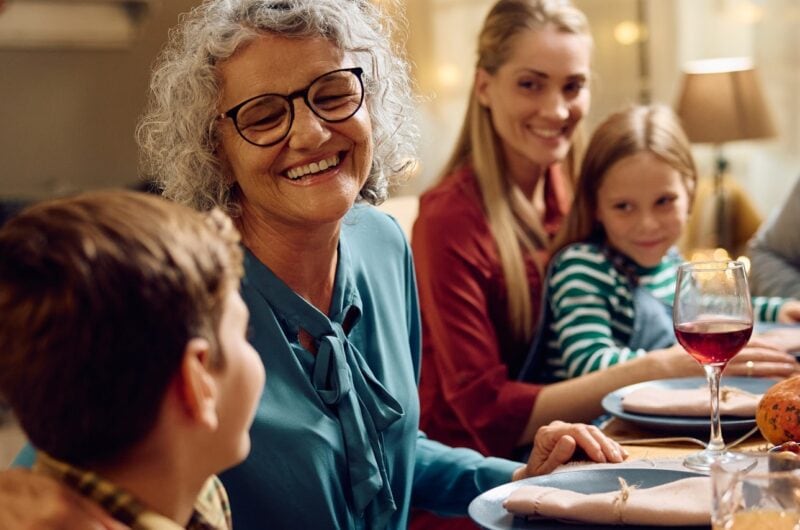
Improving and Maintaining Your Mental/Physical Wellbeing During the Holidays and Beyond
Helpful ideas to keep stress levels down and improve both mental and physical well-being.

Helpful ideas to keep stress levels down and improve both mental and physical well-being.
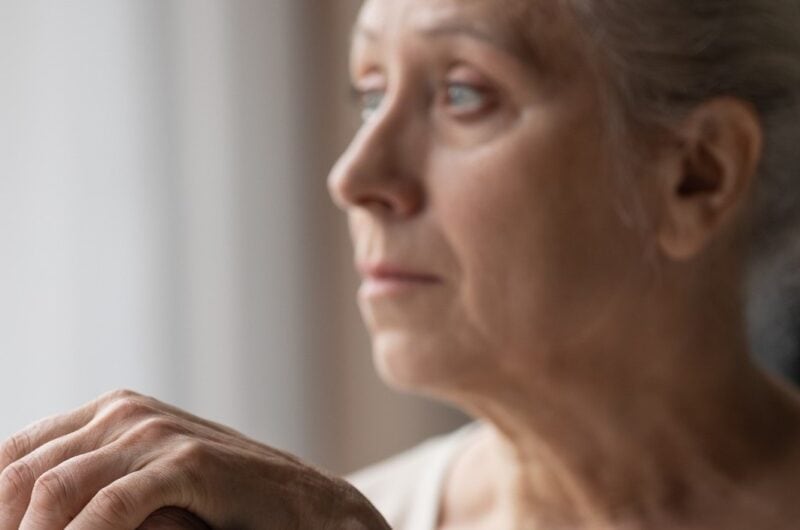
Suicidal behavior is common in older adults for a number of reasons. One is that many seniors are homebound and live on their own.

Physical activity is essential for healthy aging, and it can be beneficial at any stage of life.

Studies show that hoarding behavior…By the time a family member recognizes the problem—by the telltale overwhelming accumulation of stuff—the condition has deepened and evolved and may be linked to other conditions, …
Suicide is a complex issue influenced by multiple factors. For older adults, common contributors include mental health challenges, physical health deterioration, social isolation, and financial struggles.
According to statistics compiled by the Colorado Health Institute (CHI) and/or Colorado’s Vital Statistics Program, roughly 33% of suicides in Colorado in recent years were among adults over age 55. Of that number, close to half were suicides by adults who were over 65.

Many people go through short periods when they feel sad or unlike their usual selves. Sometimes, these mood changes begin and end when the seasons change.

For individuals grappling with loneliness, the holidays can exacerbate feelings of isolation, presenting unique emotional challenges. This post explores the impact of loneliness on mental well-being and unveils evidence-based strategies to foster a more
As of January 1, 2024, changes have been made to the Medicare program that are designed to allow healthcare providers to serve more patients needing to access mental health services. Before 2024, only advanced social workers were eligible to bill for Medicare insurance. Now, licensed clinical professional counselors and licensed clinical marriage and family therapists are eligible to bill Medicare for their clients. More than 65 million Americans currently rely on Medicare for their healthcare coverage.

The longer a person lives, the greater is the time span in which they may have had a traumatic experience that they never fully recovered from. Classic examples are traumas suffered in war, catastrophic car accidents, sustaining severe injuries in a natural disaster, being a victim of a violent crime, etc.

In the area of mental health services for Coloradans, at least three forces are altering the landscape at once. One is the mandate that insurers must offer parity between mental and physical health coverage. Another is the severe ongoing shortage of mental health professionals to meet growing patient demand—including the increasing numbers of older Coloradans who are dealing with mental health challenges. And a third force is the emergence of various technology “substitutes” for patients to consult in lieu of seeing professional therapists in person.

…Despite the fact that research indicates up to 15% of people age 65 and older who live outside of nursing facilities have a diagnosable anxiety condition. An editorial in the journal JAMA Psychiatry stated only about one-third of seniors with anxiety disorders receive treatment. Which is concerning since such disorders can have links to stroke, adverse heart conditions, and neurodegenerative problems such as dementia. Other anxiety disorders in seniors can include phobias, panic disorder, social anxiety, hoarding, fear of falling, and post-traumatic stress disorder (PTSD).